When folks think about HVAC maintenance, they usually think about comfort. They think about keeping the house cool in Fort Myers when the Florida sun starts cooking the sidewalks like bacon on a griddle. But there’s another reason routine HVAC maintenance matters just as much.
Safety.
An air conditioning system that gets ignored can become a real fire hazard over time. Wires loosen. Dust builds up. Motors overheat. Electrical parts wear out. Before long, that hardworking system tucked in your garage or attic starts acting less like an air conditioner and more like a toaster somebody forgot about in 1997.
That’s why routine maintenance from Certified heating and cooling is one of the smartest investments a homeowner can make. Because when the cooling don’t cool, that’s inconvenient. But when an HVAC system creates a fire risk? That’s a whole different rodeo.
How HVAC Systems Become Fire Hazards
Your HVAC system runs on electricity, moving parts, motors, capacitors, and high-voltage components. Over time, wear and tear can create dangerous conditions if nobody catches them early.
Here are some of the most common causes of HVAC-related fire hazards:
- Loose electrical connections
- Overheated blower motors
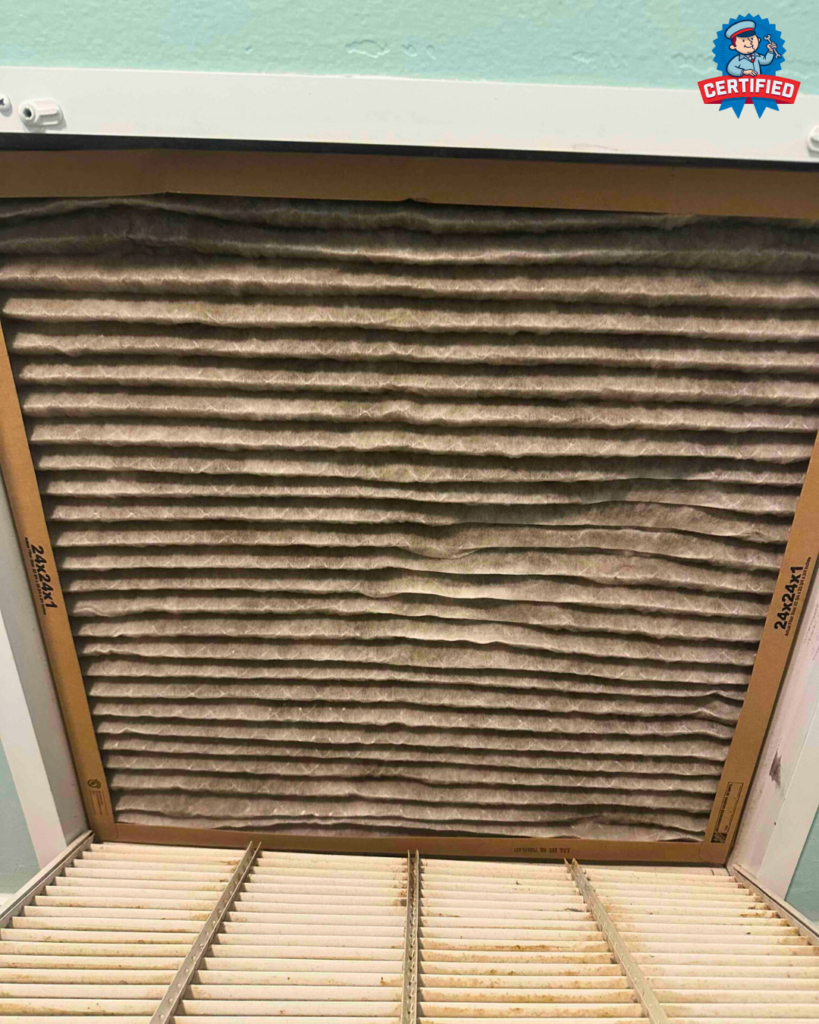
- Dirty air filters restricting airflow
- Dust buildup near electrical components
- Damaged wiring
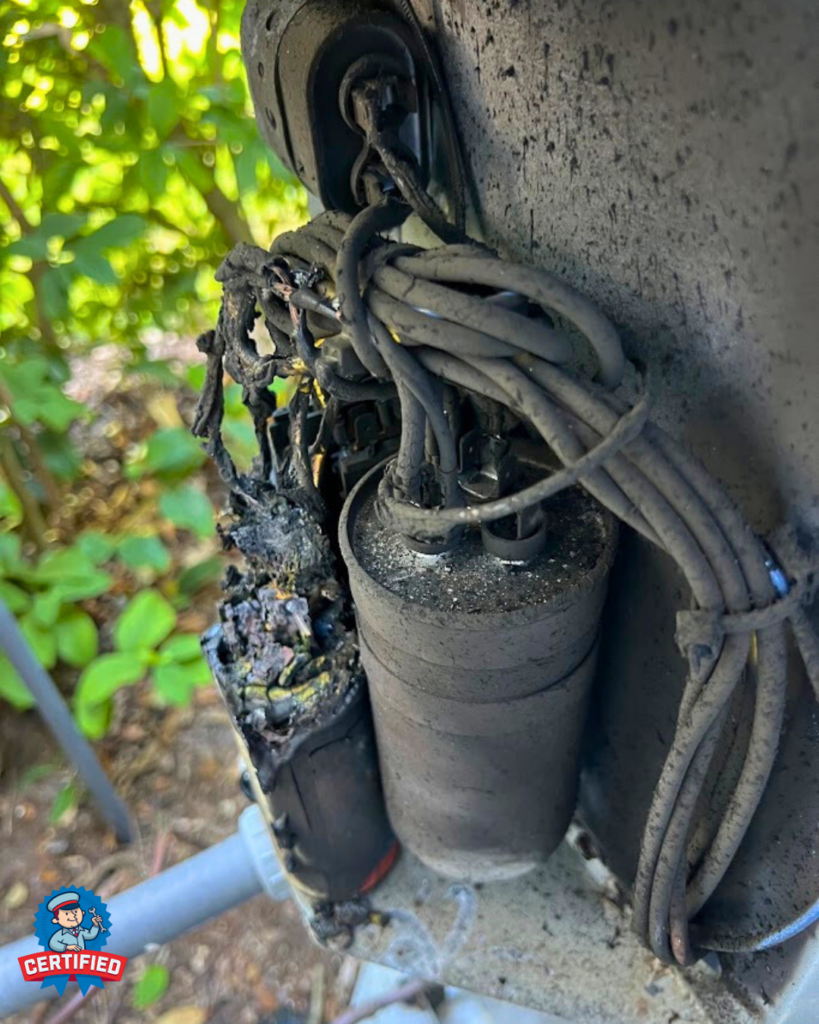
- Failing capacitors
- Clogged condensate lines causing water near electrical parts
- Aging systems with worn insulation
Most homeowners never see these issues developing because the system still “kind of works.” That’s the dangerous part. HVAC systems usually whisper before they scream.
A good maintenance visit catches those whispers early.
Dirty Air Filters Can Cause Overheating
This one surprises people all the time.
A dirty air filter doesn’t just reduce airflow. It can also cause your HVAC system to overheat. When airflow gets restricted, motors and components work harder than they should. That extra strain creates excess heat inside the system.
Heat plus dust plus electricity is a combination nobody wants hanging around their attic in Cape Coral.
Routine maintenance includes checking and replacing filters, along with inspecting airflow throughout the system. It’s simple work, but simple work prevents expensive problems. Sort of like brushing your teeth. Skip it long enough and eventually somebody’s holding pliers.
Electrical Problems Are One of the Biggest HVAC Fire Risks
Electrical failures are one of the leading causes of HVAC-related fires. Wires naturally expand and contract over years of heating and cooling cycles. Connections loosen. Insulation wears down.
When electrical resistance increases, heat increases too.
Durante un mantenimiento inspection, Certified heating and cooling technicians check:
| HVAC Component | Potential Fire Risk | Maintenance Benefit |
|---|---|---|
| Electrical Wiring | Arcing or overheating | Tightened and inspected |
| Condensadores | Electrical failure | Tested for safe operation |
| Blower Motors | Sobrecalentamiento | Lubricated and evaluated |
| Contactors | Burned connections | Replaced before failure |
| Breakers & Disconnects | Excess heat buildup | Checked for safety |
This is the kind of work homeowners rarely notice because it happens behind panels and inside units. But it matters.
We believe in taking pictures of what we’re fixing so you know which parts needed replaced. We also believe your questions deserve straightforward answers. Because nobody likes hearing “trust me” from a guy holding a screwdriver and sweating through his shirt.
Dust Buildup Creates Hidden Problems
Southwest Florida homes collect dust faster than a porch in a western movie.
Over time, dust accumulates inside HVAC cabinets, around motors, and near electrical connections. Dust itself can become combustible under the right conditions, especially when paired with overheating components.
Routine HVAC maintenance includes cleaning critical parts of the system to reduce buildup and improve efficiency.
That cleaning also helps improve indoor air quality by reducing debris circulating through your home. And while we never use the word you told me not to use, routine maintenance can also help reduce conditions that encourage microbial growth inside HVAC systems.
That’s especially important in humid areas like Naples, Estero, and Fort Myers where moisture likes to hang around longer than an uncle after Thanksgiving dinner.
Older HVAC Systems Need More Attention
As HVAC systems age, components naturally become less reliable.
A system that’s 10 to 15 years old may still cool the house, but hidden wear inside the electrical system can create increased fire risk. Worn bearings, cracked wiring insulation, and aging capacitors become more common over time.
Routine maintenance helps homeowners stay ahead of those failures instead of discovering them during an emergency.
Sometimes we find small issues that cost a little to repair today but prevent major problems tomorrow. That’s always better than waiting until smoke starts showing up where smoke definitely shouldn’t be.
Mantenimiento Helps Your HVAC System Run Cooler
An HVAC system operating efficiently runs cooler and safer.
When coils are dirty or airflow is restricted, the system works harder to achieve the same temperature. More strain means more heat. More heat means more stress on motors and electrical components.
Routine mantenimiento helps improve:
- Airflow
- Electrical efficiency
- System cooling performance
- Motor operation
- Energy efficiency
- Equipment lifespan
In other words, maintenance helps your system stop acting like it just ran a marathon in flip-flops.
Why Professional HVAC Maintenance Matters
A lot of homeowners replace filters regularly, and that’s excellent. But professional mantenimiento goes far beyond what most people can safely inspect themselves.
Certified heating and cooling technicians are trained to identify:
- Early electrical failures
- Unsafe wiring
- Overheated components
- Failing motors
- Problemas de drenaje
- Signs of excessive wear
- Conditions encouraging microbial growth
We believe in walking you through the work we’re doing so you know what was worked on and why. We also believe in continuing to learn so we can get better and better at our jobs.
That matters because HVAC systems have become more advanced every year. Today’s equipment requires careful inspections, proper testing, and experienced technicians who know what warning signs look like.
Protect Your Home With Routine HVAC Maintenance
Routine HVAC maintenance isn’t just about comfort. It’s about protecting your home, your family, and your peace of mind.
A well-maintained system operates safer, cleaner, and more efficiently. It catches small problems before they become expensive—or dangerous.
At Certified heating and cooling, we believe in leaving every home Certified-Certified, which means we’re proud to put our name on the work we did. And when your heating stops heating and the cooling don’t cool, deberíamos ser los primeros a los que llames.
If you live in Fort Myers, Naples, Cape Coral, Estero, or anywhere in Southwest Florida, schedule your HVAC maintenance with Certified heating and cooling today. We’ll help keep your system running safely, efficiently, and ready for whatever Florida weather decides to throw at us next.
 What To Do When Your AC Stops Working in Florida Heat